/filters:format(jpeg,png)/fit-in/300x300/guide_websites/7411/images/1781582002442neptunesscubaacademy.png)
/filters:format(jpeg,png)/fit-in/237x80/guide_websites/7411/images/1781582002442neptunesscubaacademy.png)
Scuba Diving Oscar Fish in North Palm Beach
Scuba Diving in North Palm Beach - What to Expect
%2F%2Fusers%2Fa40ade3a-e696-48c8-9bd7-c3d9537a88fa%2Fimages%2Funderwater-oscar-diving-encounter-2732.jpg&w=1920&q=75)
Fishing Charter by Captain Todd Bailey in June

Meet your Captain Todd Bailey
- Catch the thrill with our West Palm Beach Fishing!


Summary
Join a fishing charter in North Palm Beach on Tuesday, June 16 for an unforgettable scuba diving experience. Descend into crystal-clear waters teeming with Oscar fish and vibrant marine life. With Captain Todd Bailey guiding the way, immerse yourself in the underwater world of South Florida's most sought-after dive sites.
Scuba Diving with Captain Todd Bailey - Rates & Booking
Captain Todd Bailey of Neptune's Scuba Academy on Tuesday, June 16 offers guided scuba diving adventures in the North Palm Beach area. This fishing charter experience combines the thrill of underwater exploration with the expertise of a seasoned local guide. Contact Neptune's Scuba Academy to inquire about rates, availability, and booking your next dive expedition in West Palm Beach waters.
Highlights of Scuba Diving Adventures
Plunge into the heart of South Florida's underwater realm where pristine visibility meets abundant marine life. The North Palm Beach diving sites showcase some of the region's most captivating ecosystems, where every descent reveals new wonders. Whether you're seeking vibrant coral formations or encounters with fascinating fish species, these waters deliver an immersive experience that leaves divers breathless.
The clear conditions typical of this area create an ideal environment for underwater photography and observation. Surrounded by schools of fish and swaying aquatic vegetation, you'll witness the natural rhythm of life beneath the surface as sunlight filters through the water column above.
Local Species Insights: Oscar Fish
The Oscar fish represents one of the most distinctive inhabitants of South Florida's dive sites. These captivating creatures are known for their bold personalities and striking appearance, often displaying vibrant orange and black markings that stand out against the darker reef structures. Oscars are intelligent fish that exhibit curious behavior around divers, sometimes investigating the source of the bubbles rising from your breathing apparatus.
Found in deeper reef environments and structured habitats, Oscar fish thrive in the warm Atlantic waters surrounding North Palm Beach. Their presence indicates a healthy, thriving ecosystem where multiple species coexist in complex underwater communities. During your dive, you may observe Oscars hunting smaller prey or retreating to rocky crevices where they feel secure.
The underwater scenery surrounding these fish creates a dynamic backdrop for exploration. With your guide leading the way, you'll learn to identify Oscar behavior, understand their role in the marine food web, and appreciate the delicate balance that sustains these productive dive sites. The clear water visibility on this stretch of Florida's coast makes spotting and observing these remarkable fish an absolute highlight of any diving adventure.
As you hover weightlessly above the reef structure, the experience becomes meditative and thrilling simultaneously. The gentle sway of your body in the current, the constant stream of bubbles rising above, and the silent world of marine creatures surrounding you create a sense of peace that few surface experiences can match. Every corner turned reveals new possibilities, new species, and new reasons to fall deeper in love with the underwater world.
Fishing in West Palm Beach: Oscar
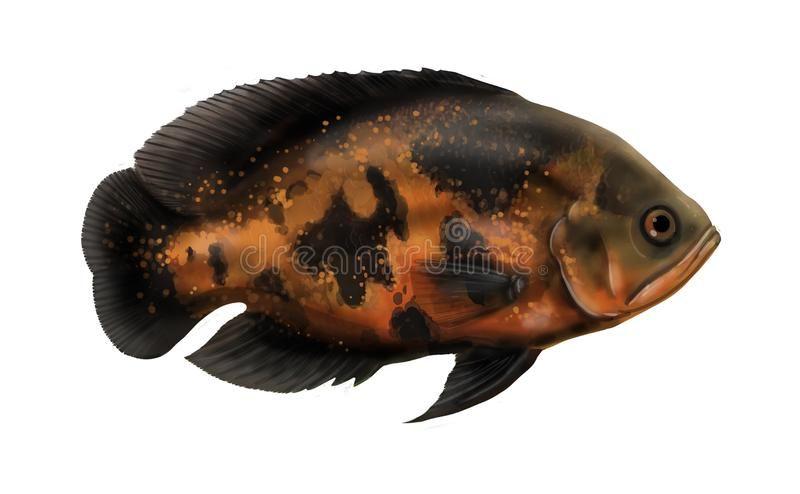
Oscar Overview
The Oscar (Astronotus ocellatus), a member of the cichlid family (Cichlidae) within the order Perciformes, is one of the most recognizable and feisty freshwater fish you'll encounter. Originally hailing from the Amazon River basin in South America, this large predatory fish has earned a reputation as an intelligent, aggressive fighter both in captivity and in the wild. What makes the Oscar so captivating is its striking appearance—available in seven distinct color varieties from the bold Tiger Oscar with its black body and orange stripes to the delicate Albino with white-pinkish tones—each displaying the characteristic oval body shape and fan-shaped tail that defines the species. In cities like Miami and throughout Florida's Everglades, the Oscar has become a sought-after gamefish, attracting anglers and nature enthusiasts eager for an exciting aquatic adventure.
Oscars are renowned for their remarkable intelligence; they can be trained to perform tricks, recognize their owners, and even play dead when threatened—a defense mechanism reminiscent of possums. Their strong pharyngeal teeth (located at the back of their throats) give them formidable crushing power, making them efficient predators despite their relatively sluggish swimming style in natural habitats. These fish are also devoted parents, carefully tending their eggs and young until the offspring are large enough to survive independently, a behavior uncommon among many fish species.
Oscar Habitat and Distribution
Although Oscars originated in the warm, murky waters of South America's Amazon River basin, they have become established in several unexpected locations worldwide. In the United States, the highest concentrations are found in southeast Florida, particularly throughout the Everglades and in Miami-Dade, Broward, and Palm Beach counties, where warm-water conditions mirror their native environment. These fish thrive in canals, river systems, lakes, ponds, and marsh habitats where they typically cruise slowly along the bottom, hunting for prey.
The introduction of Oscars beyond their native range occurred through two primary pathways: their intentional release as a gamefish for sport fishing enthusiasts, and their accidental escape or deliberate release from private aquariums by owners overwhelmed by their size or temperament. This has led to established populations in parts of Australia and several Asian countries including India and China. Unfortunately, their prolific spread has made them an invasive species in many regions; their aggressive territorial nature, enormous appetites, and remarkable adaptability to diverse environments mean they often outcompete native species and disrupt local ecological balance, making them a genuine pest in some waterways.
Oscar Size and Weight
In typical conditions, Oscars average between 10 to 14 inches in length and weigh between 1 to 3 pounds. However, exceptional specimens tell more impressive stories—in captivity, these fish can reach up to 18 inches and weigh as much as 3.5 pounds, while wild records document individuals stretching to 22 inches or more. Size varies considerably depending on habitat quality, food availability, and water conditions, making each catch a potential surprise.
Despite their substantial size, Oscars are not particularly fast swimmers in their normal state; they prefer to cruise deliberately through their environment. However, when threatened or pursuing prey, they're capable of impressive short bursts of speed, making them dynamic fighters when hooked on a line.
Oscar Diet and Behavior
Oscars are voracious predators with appetites that match their size and temperament. In their natural habitats, they feed primarily on small fishes, crayfish, worms, insect larvae, and mollusks, occasionally consuming small vertebrates when the opportunity arises. In captivity, they've proven willing to eat not just the typical protein-based diet but also vegetables and fruits, though they require adequate vitamin C to thrive.
Their aggressive and highly territorial behavior is legendary among aquarists—Oscars cannot coexist peacefully with other fish species in confined spaces, making them solitary or pairs-only additions to any aquarium. This same aggression translates to their wild behavior, where they actively defend territory and compete fiercely for resources. Interestingly, the distinctive markings covering their bodies serve as effective camouflage in their native habitats, helping them blend seamlessly with submerged vegetation, rocks, and murky water.
Oscar Spawning and Seasonal Activity
Oscars are known as dedicated parents in the fish world. They exhibit strong pair-bonding and parental care behaviors, with both males and females collaborating to protect and nurture their eggs and young. Spawning typically occurs in warm waters, and the pair will aggressively defend their nest and offspring from any perceived threats. This protective instinct intensifies their already territorial nature during breeding season.
In warm climates like Florida, where water temperatures remain conducive year-round, Oscars can spawn multiple times throughout the year rather than following strict seasonal patterns. Understanding these breeding cycles can help anglers time their fishing expeditions and predict periods of heightened activity or aggression.
Oscar Techniques for Observation or Capture
Bait and Tackle Selection: Oscars are opportunistic feeders and not particularly selective, making them relatively straightforward to catch. The most reliable baits include live or fresh crickets and earthworms, which trigger aggressive strikes. You can also use small pieces of cut fish or shrimp. For those seeking more sport and challenge, light spinning tackle or a fly rod will provide an exciting battle—these fish are known as ferocious fighters once hooked, making them popular among anglers seeking an adrenaline rush.
Location and Timing: Target slow-moving areas like canal systems, marsh habitats, lake shallows, and river pools where Oscars typically cruise. Early morning and late evening often produce better results, though these fish may be active throughout the day in their preferred warm-water habitats. Around the Miami-Dade and Broward County areas of Florida, concentrate your efforts along canal banks and Everglades tributaries where populations are most established.
Observation Approach: If your goal is observation rather than capture, move slowly and quietly along water edges during dawn or dusk. Watch for their distinctive body shapes and colorations near vegetation or structure where they hunt. Patient observation often reveals their feeding behavior and hunting patterns, offering insights into their ecological impact on local waterways.
Oscar Culinary and Utilization Notes
Oscars possess tasty, chunky meat that has made them targets for subsistence and recreational fishing in their native South American range. The flesh is considered good-quality eating by those familiar with the species, offering a firm texture and mild flavor profile. In regions where they've become invasive, some resource managers and recreational fishers actually encourage harvest as a population control measure, making Oscar fishing both a sporting pursuit and an environmentally beneficial activity.
From a nutritional standpoint, Oscar meat is protein-rich and provides valuable sustenance. However, always verify local regulations and consumption guidelines before harvesting, particularly in areas where they've been established as invasive species—fishing for them may actually be encouraged by wildlife authorities as part of ecosystem management efforts.
Oscar Frequently Asked Questions
Q: What is the best bait for catching an Oscar?
A: While Oscars aren't particularly selective eaters, live or fresh crickets and earthworms consistently produce results. Small pieces of cut fish or shrimp also work effectively. The key is presenting your bait in areas where they hunt along the bottom of canals, marshes, and river systems.
Q: Where can I find Oscars near Miami and the Everglades?
A: Southeast Florida, particularly in Miami-Dade, Broward, and Palm Beach counties, hosts thriving Oscar populations. Focus on the Everglades waterways, canal systems, and connected river habitats where warm water and abundant prey support established populations. Local fishing guides familiar with these areas can direct you to productive spots.
Q: Are Oscars good to eat?
A: Yes, Oscars have chunky, firm meat that's considered good quality. They're consumed in their native South America and by anglers worldwide. In regions where they're invasive species, harvesting them is often encouraged as a population control measure, making them both a culinary and ecological resource.
Q: When is the best time to catch an Oscar?
A: Early morning and late evening typically offer the most active feeding periods, though in warm climates like Florida, Oscars can be caught throughout the day. During breeding season, they become even more aggressive and territorial, which can make them easier to provoke into striking.
Q: How do I identify different Oscar color varieties?
A: The seven main varieties are easily distinguished by coloration: Tiger (black with orange stripes), Green (mossy with yellow or black markings), Red (red-orange with black blotches), Blue (light to dark blue with yellow or orange accents), Black (black with red, orange, yellow, or gray blotches), White (white with orange or yellow markings), and Albino (white-pinkish with smaller orange or yellow markings). All share the same oval body shape and fan-shaped tail.
Q: Why are Oscars considered invasive in some regions?
A: Originally native only to South America, Oscars were introduced to other continents as aquarium fish and for sport fishing. Their aggressive nature, large appetites, remarkable adaptability, and tendency to outcompete native species have made them problematic in established populations. Many were released into the wild by aquarium owners, creating self-sustaining invasive populations that threaten local ecosystems.