/filters:format(jpeg,png)/fit-in/300x300/guide_websites/7411/images/1781582002442neptunesscubaacademy.png)
/filters:format(jpeg,png)/fit-in/237x80/guide_websites/7411/images/1781582002442neptunesscubaacademy.png)
Porkfish School on Coral Reefs in West Palm Beach
Porkfish Fishing in West Palm Beach - What to Expect
%2F%2Fusers%2Fa40ade3a-e696-48c8-9bd7-c3d9537a88fa%2Fimages%2Fporkfish-school-reef-structure-2496.jpg&w=1920&q=75)
Fishing Charter by Captain Todd Bailey in June

Meet your Captain Todd Bailey
- Catch the thrill with our West Palm Beach Fishing!


Summary
Join Captain Todd Bailey of Neptune's Scuba Academy on Tuesday, June for an exceptional fishing charter in West Palm Beach. This scuba and fishing experience puts you directly over productive coral reef structures where porkfish schools patrol sandy bottoms, offering both visual spectacle and exciting angling opportunities in pristine Florida waters.
Fishing Charter with Captain Todd Bailey - Rates & Booking
Captain Todd Bailey of Neptune's Scuba Academy leads fishing charters on Tuesday, June from North Palm Beach waters. Working the West Palm Beach reefs, Todd specializes in locating and pursuing porkfish and other reef species over productive coral structures. His local expertise means you'll spend time over proven fishing grounds rather than searching. For booking details, rates, and availability, contact Neptune's Scuba Academy directly to reserve your charter date.
Highlights of Your Reef Fishing Experience
Porkfish are prolific reef residents, traveling in organized schools across sandy flats adjacent to coral outcroppings. These fish are aggressive feeders with distinctive coloring - silver bodies marked with horizontal yellow stripes and a dark spot near the tail. When conditions align and the school is active, the fishing can be fast and consistent, providing excellent action for anglers of varying skill levels.
The West Palm Beach reef system offers multiple fishing zones at different depths. Coral structures provide excellent habitat for porkfish and other target species. Sandy bottoms adjacent to these reefs concentrate fish movement, making them predictable and accessible fishing grounds. The visual environment - clear water, healthy coral, and active marine life - creates a memorable fishing atmosphere beyond the catch itself.
Local Species Insights: Porkfish
Porkfish are among the most abundant reef fish in Florida waters, and the West Palm Beach region hosts consistent populations. These are bottom feeders and mid-water cruisers, spending time both in tight schools and distributed across the reef structure. They respond aggressively to small baitfish and prepared chum, making them reliable targets for both live-bait and cut-bait presentations.
What makes porkfish particularly appealing is their behavioral predictability. They establish feeding patterns tied to tide cycles and light conditions. Schools maintain cohesion while hunting, which means once you locate an active school, multiple hook-ups are possible within a narrow time window. Their habitat preference - the interface between sandy bottom and coral - means fishing is concentrated over specific, findable locations rather than scattered randomly across open water.
Porkfish average 8 to 12 inches, with larger specimens reaching 14 to 16 inches possible. They're excellent eating fish, making them a legitimate culinary target alongside their recreational appeal. Their abundance means they're perfect for anglers seeking quantity and consistent action during a fishing charter.
The school behavior visible in reef photography tells you everything about their nature: highly social, coordinated movement, and active feeding in groups. This schooling tendency is why reef fishing for porkfish can deliver multiple fish per fishing session, especially when timing and location align perfectly with their daily movement patterns.
Plan Your Fishing Day
Charter fishing in West Palm Beach operates around tide cycles and seasonal patterns. Porkfish schools respond to slack water and incoming tides, when feeding intensity peaks. Morning departures typically position you on the reef as optimal conditions develop. Typical charter duration allows adequate time for location changes if the first spot isn't producing, ensuring you maximize fishing opportunities.
The combination of scuba and fishing expertise at Neptune's Scuba Academy means you're working with professionals who understand reef ecosystems, fish behavior, and seasonal patterns. This knowledge directly translates to better fishing outcomes - fewer blank hours and more productive fishing time when the action is happening.
Fishing in West Palm Beach: Porkfish
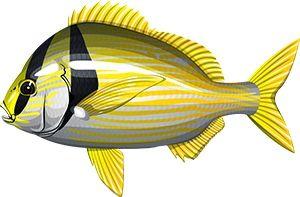
Porkfish Overview
The Porkfish (Anisotremus Virginicus), belonging to the family Haemulidae and order Perciformes, is one of the most visually striking grunt species found in Atlantic waters. Known locally around the Florida Keys and Caribbean islands, this small but charismatic fish gets its memorable name from the distinctive grunting sound it produces by grinding its teeth—a behavior shared with its grunt relatives. What makes the Porkfish truly special is its stunning appearance: brilliant yellow stripes contrasted against silvery-blue sides, accented by two bold black bars that run across its compact body. For anglers and snorkelers exploring inshore reefs, spotting a school of these colorful fish is a genuine highlight of any tropical fishing trip.
Porkfish Habitat and Distribution
The Porkfish thrives in warm Atlantic waters, ranging throughout the West Atlantic Ocean from Florida south to Brazil, including the Gulf of Mexico, the Caribbean Sea, and the Bahamas. They've even been documented in waters off Bermuda, though they're far more common in shallower tropical and subtropical regions. These fish prefer depths between 6 and 65 feet, with a strong affinity for shallow inshore waters, coastal reefs, and rocky bottoms. Juvenile Porkfish are frequently found in seagrass beds, where they spend their early days as cleaners for larger fish species. Around the Florida Keys specifically, the Porkfish ranks as the eleventh most sighted species in adjacent waters, making them a reliable encounter for divers and anglers exploring reef systems. They are highly social, typically traveling in large schools and sometimes mixing with white grunts in their nighttime feeding expeditions.
Porkfish Size and Weight
The Porkfish is a small fish by most angling standards, though this hardly diminishes its appeal to recreational fishermen and underwater observers. Most individuals measure between 10 and 16 inches in length, with the typical catch rarely exceeding 10 inches. Weight is correspondingly modest, generally ranging from 1 to 2 pounds for a respectable specimen, with most averaging around 4 ounces. Despite their diminutive size, their vibrant coloration and schooling behavior make them visually dominant on the reef.
Porkfish Diet and Behavior
The feeding habits of Porkfish change dramatically with age, revealing an interesting ecological role across their life stages. Adult Porkfish are primarily nocturnal feeders, venturing into open waters at night to hunt for invertebrates including mollusks, echinoderms, crustaceans, and marine worms. This nighttime behavior is key to understanding where and when to encounter them. Juvenile and adolescent Porkfish, by contrast, occupy a unique ecological niche as "cleaners"—they spend their days on reef structures picking parasites and dead skin off larger fish species, a mutualistic relationship that benefits both the cleaners and their hosts. This behavior keeps them close to reef environments during daylight hours, making young fish easier to observe for snorkelers. They are nocturnal schooling fish, comfortable in groups and exhibiting strong social cohesion with their own kind and other grunt species.
Porkfish Spawning and Seasonal Activity
In Jamaica and throughout much of their range, Porkfish demonstrate year-round spawning activity, meaning reproductive opportunities extend throughout the entire calendar year. This continuous breeding cycle supports stable populations across their range and contributes to their reliability as a sighted species in popular diving and fishing destinations. While specific migration patterns remain understudied, their consistent presence in both shallow and deeper reef zones throughout the year suggests limited large-scale migrations. The species' steady reproductive output also means consistent populations for observation and sustainable harvest.
Porkfish Techniques for Observation or Capture
Reef Snorkeling and Diving: The most rewarding way to encounter Porkfish is through daytime reef exploration. Snorkel or dive over shallow reef structures during the day when juvenile and young adult Porkfish are actively engaged in their cleaner behavior. Watch for their distinctive yellow and black striped bodies moving methodically over rocks and coral. They're typically unbothered by careful, non-aggressive observers, allowing for excellent photography and observation opportunities. Around the Florida Keys, this approach yields consistent sightings on the numerous shallow reef systems within 10–20 miles of Key West and Key Largo.
Night Fishing in Open Waters: For anglers seeking to catch adult Porkfish, night fishing in deeper water adjacent to reef systems is the preferred method. Use small, light tackle and live bait such as small shrimp, silversides, or small crustaceans. Fish the deeper channels and open waters near reefs after sunset, when adults leave their daytime refuges to feed. Light attractions can help concentrate fish in specific areas. This technique works particularly well in the summer months when water temperatures are warmest.
Daylight Reef Fishing: Patient anglers can also target schooling Porkfish directly over reef structure during daylight hours using small jigs, flies, or live bait presented close to the bottom. Use ultralight spinning tackle or fly equipment, as these fish have relatively delicate mouths. Small popping flies and crustacean-pattern fly presentations work exceptionally well for fly anglers. The visual hunting aspect makes this an engaging approach where you can actually see fish respond to your presentation.
Porkfish Culinary and Utilization Notes
Porkfish are considered good eating by Caribbean and Florida standards, offering mild, flaky white meat with a pleasant flavor profile. Their small size means a school catch is necessary for a meaningful meal, but the effort is worthwhile for those interested in sustainable seafood. The species has good food odds from a flavor perspective, though their modest size limits practical culinary applications for most home cooks and restaurants. In commercial and subsistence fishing contexts throughout the Caribbean and Central America, Porkfish are regularly harvested and prepared in traditional dishes. The bones are small but manageable, and filleting multiple fish allows for reasonable meat recovery. From a sustainability standpoint, their year-round availability and stable population numbers suggest they can support modest harvests without ecological concern.
Porkfish Frequently Asked Questions
Q: What is the best bait for catching Porkfish?
A: Live small crustaceans, shrimp, and silversides are ideal baits for adult Porkfish. Juvenile fish, being cleaners, are naturally attracted to reef structures and don't typically respond to baited hooks. For adults, small live baitfish presentations work better than cut bait, as they allow for lifelike movement in the water column.
Q: Where can I find Porkfish near the Florida Keys?
A: Porkfish are reliably found on shallow reef systems throughout the Keys, particularly in areas like the Marquesas, Looe Key, and the numerous patch reefs between Key West and Key Largo. They rank as the eleventh most sighted species in these waters, so snorkeling reef sites during the day virtually guarantees encounters with juvenile populations. Nighttime fishing in channels adjacent to these reefs targets the nocturnal feeding adults.
Q: Are Porkfish good to eat?
A: Yes, Porkfish offer mild, flaky white meat with decent flavor. Their small size—typically 1 to 2 pounds—means a larger catch is needed for a satisfying meal, but they're considered good eating in Caribbean cuisine and traditional Caribbean fish recipes. Filleting multiple fish yields reasonable portions of usable meat.
Q: When is the best time to observe or catch Porkfish?
A: For observation, daytime snorkeling over shallow reefs year-round yields excellent sightings of juvenile and young adult fish. For fishing, nighttime is when adult Porkfish are most active in open waters. Summer months offer the warmest water temperatures and highest fish activity levels. Their year-round spawning means they're present and catchable throughout the entire calendar year.
Q: Why are they called Porkfish?
A: The name comes from the characteristic grunting sound the species produces by grinding its teeth together, similar to the sound of a pig's grunt. This behavior gives all members of the grunt family their common name, and Porkfish produce particularly audible versions of this sound, hence their specific designation.
Q: What is the relationship between juvenile and adult Porkfish?
A: Juvenile Porkfish serve as "cleaners" on reef structures, picking parasites and dead skin from larger fish species. This symbiotic relationship keeps young Porkfish confined to reef environments during daylight. As they mature, they transition to nocturnal predators hunting invertebrates in open water, representing a dramatic shift in both diet and behavior that reflects their changing ecological role within reef ecosystems.