/filters:format(jpeg,png)/fit-in/300x300/guide_websites/7411/images/1781582002442neptunesscubaacademy.png)
/filters:format(jpeg,png)/fit-in/237x80/guide_websites/7411/images/1781582002442neptunesscubaacademy.png)
Mackerel Scad Fishing Charter in North Palm Beach
Mackerel Scad Fishing in North Palm Beach - What to Expect
%2F%2Fusers%2Fa40ade3a-e696-48c8-9bd7-c3d9537a88fa%2Fimages%2Fmackerel-scad-deep-sea-fishing-2589.jpg&w=1920&q=75)
Fishing Charter by Captain Todd Bailey in June
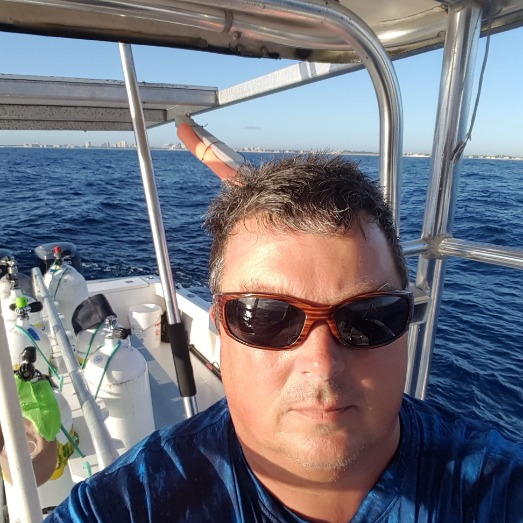
Meet your Captain Todd Bailey
- Catch the thrill with our West Palm Beach Fishing!


Summary
Head out on a fishing charter with Captain Todd Bailey from Neptune's Scuba Academy in North Palm Beach on Tuesday, June to experience the thrill of hooking mackerel scad in deep blue waters. This guided fishing trip puts you right in the action with these schooling fish that create incredible visual displays as they move through the ocean.
Fishing Charter with Captain Todd Bailey - Rates & Booking
Captain Todd Bailey of Neptune's Scuba Academy operates fishing charters out of West Palm Beach on Tuesday, June. When you book with Captain Todd, you're getting a guide who knows these waters and the fish that call them home. Contact Neptune's Scuba Academy to check availability, confirm your trip details, and reserve your spot on the water.
Highlights of Your Fishing Experience
Targeting mackerel scad means you'll be fishing for a species that travels in tight schools, creating some of the most dynamic action you can find in the deep blue. These fish are fast, aggressive feeders that respond well to live bait and light tackle. The coordination and energy of a mackerel scad school is something every angler should witness at least once.
West Palm Beach offers excellent access to productive offshore and nearshore grounds where mackerel scad congregate. The deep blue water is clean and clear, giving you great visibility and optimal fishing conditions when the conditions align.
Local Species Insights: Mackerel Scad
Mackerel scad are sleek, silver-sided fish that typically school in large numbers, especially during warmer months. They're built for speed and agility, which is why they're so fun to catch on lighter tackle. These fish are found in deep blue offshore and nearshore waters, and they often hunt in coordinated groups, creating a visual spectacle as they dart and weave through the water column.
When you're fishing for mackerel scad, you'll often see them responding to live bait presentations and small jigs. Their schooling behavior means that once you locate one fish, you've usually found dozens more. This makes for consistent action and the chance to catch multiple fish during a single charter. The habitat around West Palm Beach supports healthy populations, and Captain Todd knows where to find them.
These fish are also known for their acrobatic fights. They'll jump, make hard runs, and test your technique, which is why anglers who target mackerel scad often come back for more. The combination of schooling behavior, fast action, and clear water makes this a species that delivers on the excitement factor every time.
Fishing in West Palm Beach: Mackerel Scad
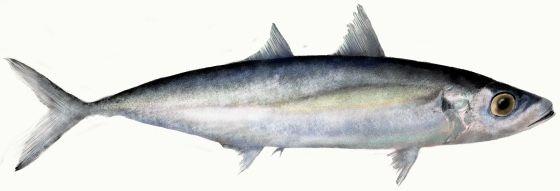
Mackerel Scad Overview
The Mackerel Scad (Decapterus macarellus) is a small but mighty member of the Carangidae family, classified within the order Perciformes. This silver-bodied fish is instantly recognizable by its striking dark blue dorsal surface that gradually transitions to silver-white on the belly, punctuated by a brilliant blue-yellow lateral line running along its flank. Though commercially small, the Mackerel Scad punches above its weight in terms of culinary appeal and recreational fishing value. Across Hawaii, the Philippines, Japan, and countless coastal regions worldwide, this species has earned its place as both a beloved food fish and a dependable bait option. Whether you're exploring the island waters of Hawaii or fishing along tropical coastlines, you'll find that the Mackerel Scad remains a consistent and rewarding catch for anglers and a treasured ingredient for local cuisines.
Mackerel Scad Habitat and Distribution
Mackerel Scads thrive in clear, clean waters across the globe, demonstrating a remarkable cosmopolitan distribution. These pelagic fish prefer to stay near the surface but are also comfortable navigating depths ranging from 131 to 656 feet. They gravitate toward areas near islands and coastlines where food sources concentrate. In the Western Atlantic, populations stretch from Nova Scotia down to Bermuda, while East Atlantic specimens spawn near Cape Verde and Ascension Island. Pacific waters host robust populations that reach as far as Sri Lanka, making them a truly world-spanning species. Their preference for well-lit, oxygen-rich waters and productive fishing zones near islands makes them accessible to anglers in diverse geographic locations.
Mackerel Scad Size and Weight
Commercially, Mackerel Scads are compact fish, typically ranging from 8 to 18 inches in length, though most specimens hover between 10 and 15 inches. Cultured individuals tend toward the smaller end at around 8 to 10 inches. Weight-wise, these fish rarely exceed 1 pound, with most individuals tipping the scales between 0.75 and 1 pound. Despite their modest dimensions, their chunky, flavorful meat makes them highly prized in culinary traditions across multiple continents. The standardized size makes them ideal for whole preparation—whether fried, smoked, or stewed—and their predictable market sizing appeals to both commercial operators and home cooks alike.
Mackerel Scad Diet and Behavior
As small, planktivorous fish, Mackerel Scads primarily feed on zooplankton, the tiny organisms that drift through the water column. However, their diet diversifies based on availability; when encountering small crustaceans like shrimp or tiny fish such as herrings and anchovies, they readily exploit these opportunities. This dietary flexibility makes them responsive to various fishing techniques and baits. Behaviorally, Mackerel Scads are highly schooling fish, meaning they attack and feed in coordinated groups—a trait that experienced anglers leverage for impressive hauls. They're diurnal foragers that follow their prey to specific water columns, making their movements somewhat predictable once you understand local productivity zones. Their tendency to school densely also makes them attractive as bait for larger predatory fish like Giant Trevallies and Blue Spotted Groupers.
Mackerel Scad Spawning and Seasonal Activity
While specific spawning details remain consistent across their range, Mackerel Scads are known to have distinct breeding areas in both the Atlantic and Pacific basins. East Atlantic populations center their reproductive activity near Cape Verde and Ascension Island, suggesting seasonal migrations to these zones. Generally, these pelagic fish remain available year-round in most tropical and subtropical waters, though seasonal upwelling and water temperature fluctuations influence their concentration and feeding intensity. Cooler winter months may push them deeper or to different geographic zones, while warmer seasons typically see them congregating in shallower, productive coastal waters. Understanding local seasonal patterns is key to predicting availability and optimizing catch success.
Mackerel Scad Techniques for Observation and Capture
Method 1: Hoop Net Technique — This traditional Hawaiian method remains highly effective. Lower a weighted hoop net seeded with vegetable feed into the water column. As it sinks, the vegetation attracts zooplankton, which in turn draws Mackerel Scads and other planktivores. Since these fish school densely, expect substantial catches when conditions align. This passive method works beautifully around islands and coastal drop-offs where fish concentrate. Around Hawaii, local guides often employ this technique at dawn near reef edges and channel approaches.
Method 2: Small Shrimp on Light Tackle — Cast small live or dead shrimp into the water column where the fish typically forage. Use light spinning gear or jigging equipment to present your bait at mid-depth to near-surface levels. Mackerel Scads respond aggressively to shrimp offerings, and their abundance means consistent action. Focus on areas near islands, along gradual drop-offs, and in clear water where you can spot baitfish activity. Early morning and late afternoon sessions often yield peak activity.
Method 3: Vertical Jigging with Small Spoons or Sabiki Rigs — In deeper waters (200+ feet), vertical jigging with tiny metal spoons or multi-hook sabiki rigs proves deadly. Lower to the appropriate depth and use rapid, short strokes to mimic wounded prey. This method excels when targeting schooling Mackerel Scads over seamounts or drop-offs. The Pacific island regions and offshore zones near Sri Lanka and the Philippines see exceptional success with this approach, particularly where deeper water meets shallow reef structure.
Mackerel Scad Culinary and Utilization Notes
The Mackerel Scad holds an esteemed place in global cuisines, particularly in Hawaii (where it's called Opelu) and the Philippines (where it's known as Galunggong). Its chunky, delicate meat offers excellent flavor when prepared correctly—often tasting remarkably like chicken. In the Philippines, the classic preparation involves plain frying followed by a tangy vinegar-garlic sauce, served alongside rice, salted eggs, tomatoes, and onions. Smoked Mackerel Scad, called Tinapang Galunggong, represents another beloved preparation, sometimes paired with champorado (a chocolate rice porridge) in certain regions. Japanese gourmands prize it as Kusaya, though its pungent aroma may challenge uninitiated palates. Stewed preparations with eggplant and onions offer a lighter, vegetable-forward option. Beyond direct consumption, Mackerel Scads serve as premium live bait for targeting larger gamefish, commanding respect from serious anglers pursuing trophy-caliber catches.
Mackerel Scad Frequently Asked Questions
Q: What is the best bait for catching Mackerel Scad?
A: Small live shrimp work exceptionally well, as do tiny crustaceans and small fish pieces. If you prefer lures, small metal spoons and sabiki rigs (multi-hook setups) prove highly effective, particularly when jigged vertically in deeper zones. The fish's zooplankton-feeding preference makes vegetable-baited hoop nets another productive choice.
Q: Where can I find Mackerel Scad near island fishing destinations?
A: Look for them in clear, clean coastal waters near islands and reef structures. They prefer areas with good current flow and food concentrations, typically found from the surface down to 200+ feet. Fishing near channels between islands, along gradual reef drop-offs, and in productive bays yields consistent encounters throughout the year.
Q: Is Mackerel Scad good to eat?
A: Absolutely—they're prized food fish across Hawaii, the Philippines, and Japan. Their chunky meat offers excellent flavor and texture, often compared to chicken when properly prepared. Frying, smoking, and stewing are traditional methods, each yielding delicious results that appeal to both local and international palates.
Q: When is the best time to catch Mackerel Scad?
A: Year-round availability makes them accessible in most tropical and subtropical waters. However, early morning and late afternoon sessions typically see peak feeding activity. Warmer months may concentrate them in shallower zones, while seasonal water temperature shifts influence their positioning—always check local conditions and reports for optimal timing.
Q: Can I use Mackerel Scad as bait for larger fish?
A: Yes—they're excellent live bait for targeting premium gamefish like Giant Trevallies and Blue Spotted Groupers. Their natural schooling behavior and availability make them a practical and effective choice for anglers pursuing trophy-class predators.
Q: What gear should I use for Mackerel Scad fishing?
A: Light to medium spinning or jigging equipment works well. Use 6 to 12-pound test line for most scenarios, with slightly heavier gear if targeting deeper waters or using the fish as bait. Small sabiki rigs, jigging spoons, and traditional hoop nets round out the toolbox for versatile approach options across different conditions.