/filters:format(jpeg,png)/fit-in/300x300/guide_websites/7411/images/1781582002442neptunesscubaacademy.png)
/filters:format(jpeg,png)/fit-in/237x80/guide_websites/7411/images/1781582002442neptunesscubaacademy.png)
Catch Black Grouper in North Palm Beach
Black Grouper Fishing in North Palm Beach - What to Expect
%2F%2Fusers%2Fa40ade3a-e696-48c8-9bd7-c3d9537a88fa%2Fimages%2Fblack-grouper-fishing-boat-catch-2693.jpg&w=1920&q=75)
Fishing Charter by Captain Todd Bailey in June
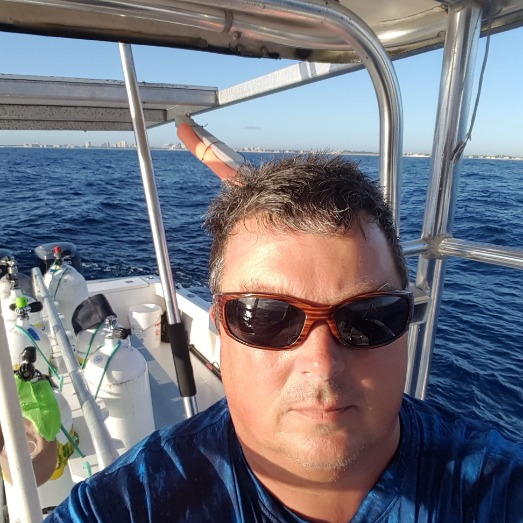
Meet your Captain Todd Bailey
- Catch the thrill with our West Palm Beach Fishing!


Summary
Join Captain Todd Bailey of Neptune's Scuba Academy on a Tuesday in June for an exciting fishing charter targeting black grouper in North Palm Beach waters. This guided fishing experience showcases the technical skill and local knowledge required to land these powerful reef fish in their native habitat.
Fishing Charter with Captain Todd Bailey - Rates & Booking
Captain Todd Bailey of Neptune's Scuba Academy offers professional fishing charter services on Tuesday in June for anglers targeting black grouper and other reef species in the North Palm Beach area. For current rates, availability, and booking details, contact Neptune's Scuba Academy directly or visit their website to reserve your fishing charter experience.
Highlights of Black Grouper Fishing
Black grouper fishing in North Palm Beach delivers an authentic deep-water experience where anglers encounter one of the region's most sought-after game fish. These powerful reef dwellers demand precision technique and patience, making each catch a significant achievement. The offshore waters surrounding North Palm Beach provide ideal conditions for grouper interaction, with abundant reef structures that hold mature fish throughout the season.
Working these productive grounds with a knowledgeable guide separates successful trips from forgettable ones. Captain Bailey's local expertise ensures you're fishing the right spots at the right time, maximizing your chances of connecting with quality fish. The combination of challenging conditions and rewarding catches makes this an engaging experience for serious anglers.
Local Species Insights: Black Grouper
Black grouper occupy a unique ecological niche in the Atlantic reef systems off Florida's coast. These fish are bottom dwellers that favor rocky structures and coral formations where they hunt smaller fish and crustaceans. Their dark coloration provides excellent camouflage in reef environments, allowing them to ambush prey with remarkable speed and aggression.
What makes black grouper particularly challenging to pursue is their strength and intelligent behavior. Once hooked, they employ powerful runs toward structure, testing both your equipment and technique. They reach substantial sizes, with mature fish weighing 30+ pounds, and their fighting ability justifies their reputation among offshore anglers. Understanding their habitat preferences and feeding behavior is essential for consistent success.
The North Palm Beach fishing grounds are renowned for maintaining a healthy black grouper population. These offshore waters feature the reef systems and structure that grouper require to thrive. Fishing in this region during peak season offers legitimate opportunities to encounter fish in their natural element, engaging in the authentic challenge that serious anglers seek.
Successful grouper fishing combines structural knowledge, timing awareness, and quality tackle. Captain Bailey brings professional insight into current conditions, seasonal patterns, and proven techniques that deliver results. This expertise transforms a day on the water into a genuine learning experience where you develop practical knowledge about offshore fishing dynamics.
Plan Your Fishing Day
Your fishing charter is structured for optimal results and comfort. The professional setup includes everything necessary for targeting reef fish, with Captain Bailey managing navigation and fishing strategy while you focus on the experience. Water conditions around North Palm Beach can vary seasonally, so coming prepared with appropriate clothing layers and sunscreen ensures you stay comfortable throughout the outing.
Group size on fishing charters typically accommodates smaller parties, creating an intimate experience where Captain Bailey can provide personalized attention and coaching. This setup allows more direct interaction with the guide and better opportunity to learn and develop your fishing skills. Bring your enthusiasm for the challenge - black grouper demand an active engagement from anglers, making this a mentally engaging experience as much as a physical one.
Fishing in West Palm Beach: Black Grouper
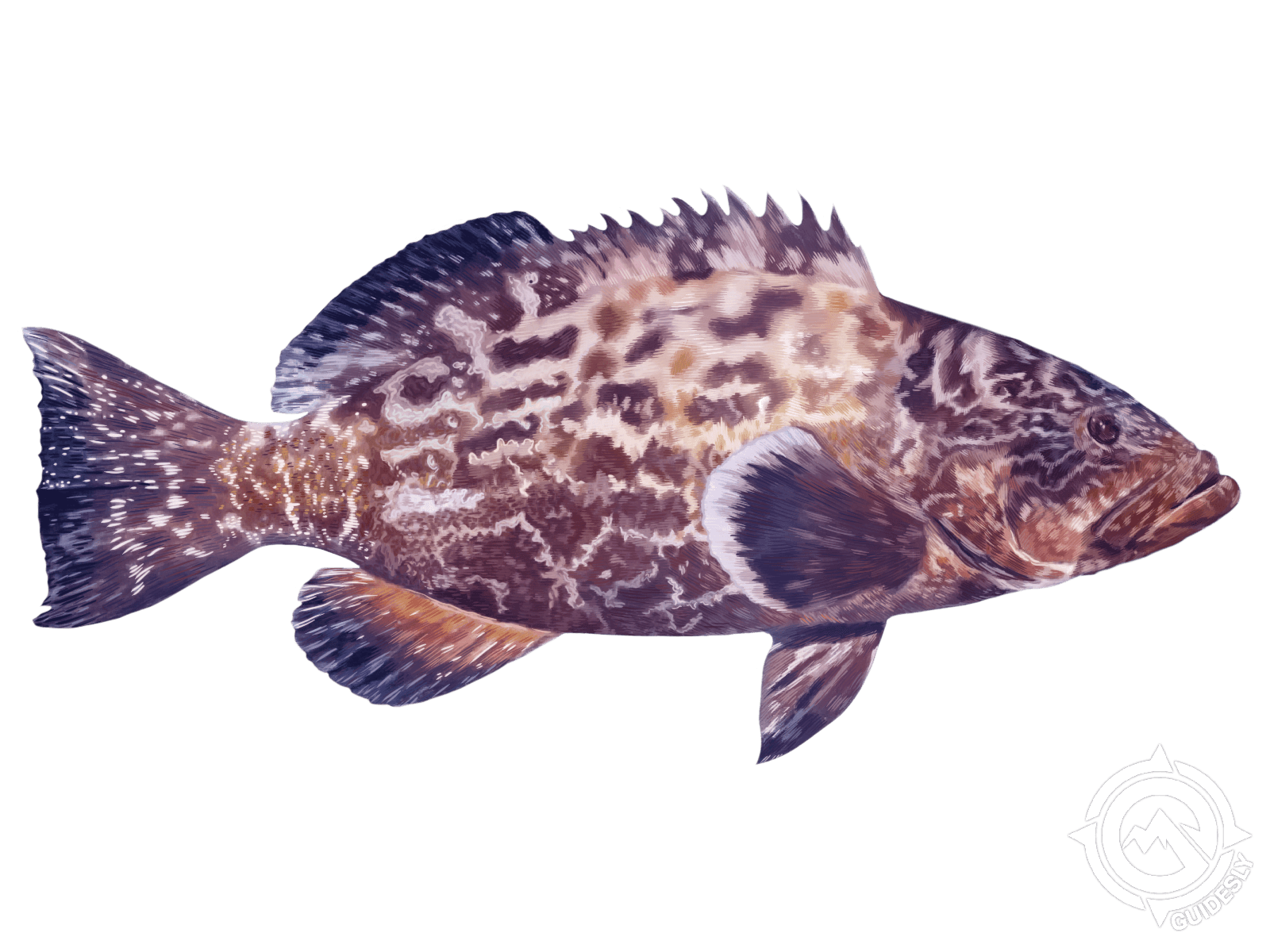
Black Grouper Overview
The Black Grouper (Mycteroperca bonaci), a member of the Serranidae family within the order Perciformes, is one of the most prized saltwater species in the western Atlantic. Known locally as black rockfish or marbled rockfish, this robust predator is instantly recognizable by its distinctive olive or gray coloration accented with dark rectangular blotches and brassy spots scattered across its body, head, and fins. What makes the Black Grouper truly fascinating to anglers and marine enthusiasts is its unique reproductive strategy—all individuals are born female, with some transitioning to males as they mature. Whether you're fishing the Gulf of Mexico or exploring Caribbean reefs, encountering a Black Grouper represents a thrilling moment in any angler's journey.
Black Grouper Habitat and Distribution
Black Groupers are endemic to the western Atlantic, inhabiting waters that stretch from Massachusetts southward to southern Brazil, with particular concentrations in the Gulf of Mexico, the Florida Keys, and throughout the Caribbean Sea. These fish show a strong affinity for structure—offshore wrecks, rocky ledges, coral reefs, and other submerged features provide the ideal hunting grounds where they stake out positions near the bottom. What's remarkable about their depth preferences is their flexibility; during colder months, they may venture into shallow waters as shallow as 30 feet, but when spring and summer arrive, they'll descend to depths exceeding 300 feet in search of cooler water and abundant prey. Around Florida's Gulf Coast and the Caribbean, popular hotspots include wreck sites, artificial reefs, and natural limestone formations where these ambush predators wait patiently for passing meals.
Black Grouper Size and Weight
While the average Black Grouper typically reaches lengths between 39 and 52 inches and weighs between 5 and 20 pounds, these dimensions represent a solid catch that any angler would be proud to land. Exceptional specimens do occur—the all-time record holder, caught by Floridian angler Alex Newman in the Gulf of Mexico during a 2015 fishing tournament, measured an impressive five feet in length and weighed nearly 125 pounds. However, such trophy-sized fish are genuinely rare in modern fisheries. The species' girth and muscular build, while making for excellent eating, also mean they sacrifice speed for raw strength—a fact that becomes abundantly clear when you're fighting one on the line.
Black Grouper Diet and Behavior
Black Groupers are opportunistic ambush predators with a remarkably non-selective palate. Juveniles feed primarily on small crustaceans drifting in the water column, but as they mature into adults, their diet expands to include small reef fishes such as snappers and herrings, as well as small squid. Rather than using their teeth to tear flesh, these fish employ a sophisticated hunting strategy—they create powerful suction with their large mouths and gill systems to inhale their prey whole. This feeding technique means that once a Black Grouper commits to striking your bait, there's no delicate nibbling; it's an all-or-nothing attack. Outside of spawning season, they are predominantly solitary hunters, spending their time patrolling reefs and wrecks. Interestingly, they frequently position themselves near other fish species' spawning aggregations, capitalizing on the easy meals that congregating spawners provide. Black Groupers can live remarkably long lives—over 30 years in many cases, with some individuals reaching 50 years or more—allowing them to grow into the truly massive specimens that have become legendary among Gulf Coast anglers.
Black Grouper Spawning and Seasonal Activity
The spawning season for Black Groupers typically begins in November and extends through May, coinciding with cooling water temperatures. During this period, solitary fish congregate, and both males and females release sperm and eggs simultaneously into the water column. The fertilized eggs drift passively with ocean currents until they hatch, and the resulting larvae continue their planktonic existence, feeding on microscopic organisms. As water temperatures shift seasonally, Black Groupers also adjust their depth preferences—shallow-water hunting grounds in winter give way to deeper-water pursuits during warmer months. Understanding these seasonal patterns is crucial for anglers seeking consistent success, as fish location and activity levels fluctuate predictably throughout the year.
Black Grouper Techniques for Observation and Capture
Heavy-Duty Bottom Fishing: To successfully tangle with a Black Grouper, you'll need heavy-duty equipment capable of withstanding the intense power and tenacity these fish bring to a fight. Equip yourself with a reel featuring at least 20 pounds of drag capacity, paired with 80-pound braided mainline and a 100-pound leader. Present your bait—live or dead, they're not fussy—directly on the bottom where these fish hunt. Whether it's mullet, mackerel, or squid, Black Groupers will aggressively strike anything resembling food in their immediate vicinity. The key to success is immediate hook-set response; the moment you feel that signature tug, begin reeling with purpose to prevent the fish from returning to rocky cover where it could snap your line.
Wreck and Reef Positioning: Target known structures such as artificial reefs, shipwrecks, and natural ledge systems in depths ranging from 30 feet in winter to 300+ feet during warmer months. Use a GPS or electronic charts to mark productive spots, and position your boat uptide of the structure to allow your bait to drift naturally into the strike zone. Around the Florida Gulf Coast and Caribbean islands, December through March typically offers peak conditions as fish move to shallower waters.
Live Bait Presentations: Deploy live baitfish suspended just above the bottom or allow them to work naturally around reef structure. Black Groupers respond vigorously to fleeing, stressed baitfish—they're ambush predators hardwired to strike wounded prey. Keep your line relatively tight and stay alert; remember that these fish don't nibble—they inhale, and you must set the hook immediately to avoid losing your catch.
Black Grouper Culinary and Nutritional Notes
Black Grouper meat is considered excellent eating, with commercial and recreational anglers alike prizing it for both its flavor and texture. The flesh exhibits a mild, delicate flavor profile paired with a firm yet tender texture that holds up beautifully to various cooking methods—whether served whole, filleted, or cut into steaks. Nutritionally, Black Grouper is particularly noteworthy, delivering substantial amounts of vitamin B6, vitamin B12, phosphorus, potassium, and selenium. These nutrients contribute to improved energy metabolism, bone health, and immune function. The meat's mild character makes it an ideal protein for diners who may not prefer assertive fish flavors, broadening its appeal in both home kitchens and restaurants. From a sustainability perspective, it's advisable to check local regulations and seasonal guidelines, as some regions implement fishing restrictions to protect breeding populations and ensure long-term species viability.
Black Grouper Frequently Asked Questions
Q: What is the best bait for catching Black Grouper?
A: Black Groupers are remarkably unselective feeders and will strike both live and dead baitfish with equal enthusiasm. Mullet, mackerel, herring, and squid all produce excellent results. The critical factor isn't the bait type but rather its presentation on or near the bottom where these ambush predators hunt. Live baitfish exhibiting natural distress behavior often trigger the most aggressive strikes.
Q: Where can I find Black Grouper in the Gulf of Mexico and Caribbean?
A: Black Groupers congregate around structure—shipwrecks, artificial reefs, natural limestone ledges, and rocky outcroppings. The Gulf of Mexico's numerous wreck sites, particularly off the Florida coast, attract significant populations. In winter months, fish move into shallower coastal waters (30-100 feet), while summer fishing often requires venturing to depths of 200-300+ feet. The Caribbean's extensive reef systems provide year-round opportunity.
Q: How do I know when a Black Grouper is striking my bait?
A: Unlike many fish species that produce subtle takes, Black Groupers deliver unmistakable strikes—you'll feel a solid tug or sudden weight increase as they inhale your bait whole. There's minimal opportunity for hesitation; upon detecting this strike, immediately engage your reel and apply steady, powerful upward pressure to begin extracting the fish before it retreats to rocky cover.
Q: When is the best time to catch Black Grouper?
A: November through May represents prime Black Grouper season, coinciding with their spawning period and subsequent shallow-water migration as temperatures drop. December through March typically offers peak accessibility, with fish concentrated in shallower, more easily accessible waters. Summer fishing is still productive but requires venturing to greater depths and often covers more ground to locate actively feeding populations.
Q: Is Black Grouper meat good to eat, and what does it taste like?
A: Black Grouper is excellent table fare with mild, delicate flavor and a firm yet tender texture. It's versatile enough to suit various preparations—grilling, baking, steaming, or frying all work beautifully. The meat's light flavor appeals to those who prefer less assertive fish, while its nutrient density, including vitamins B6 and B12 plus valuable minerals, makes it a nutritious protein choice.
Q: What should I do if a shark or moray eel tries to steal my hooked Black Grouper?
A: Reef predators including sharks and moray eels frequently attack hooked Black Groupers before they can be extracted. Your best defense is a heavy-duty setup and unwavering determination—apply maximum pressure to extract your catch quickly before competitors arrive. Some anglers employ heavy metal gaffs or specialized shark-handling techniques, though prevention through rapid extraction remains the most effective strategy. Always be mentally prepared for aggressive competition from fellow apex predators in the reef ecosystem.